

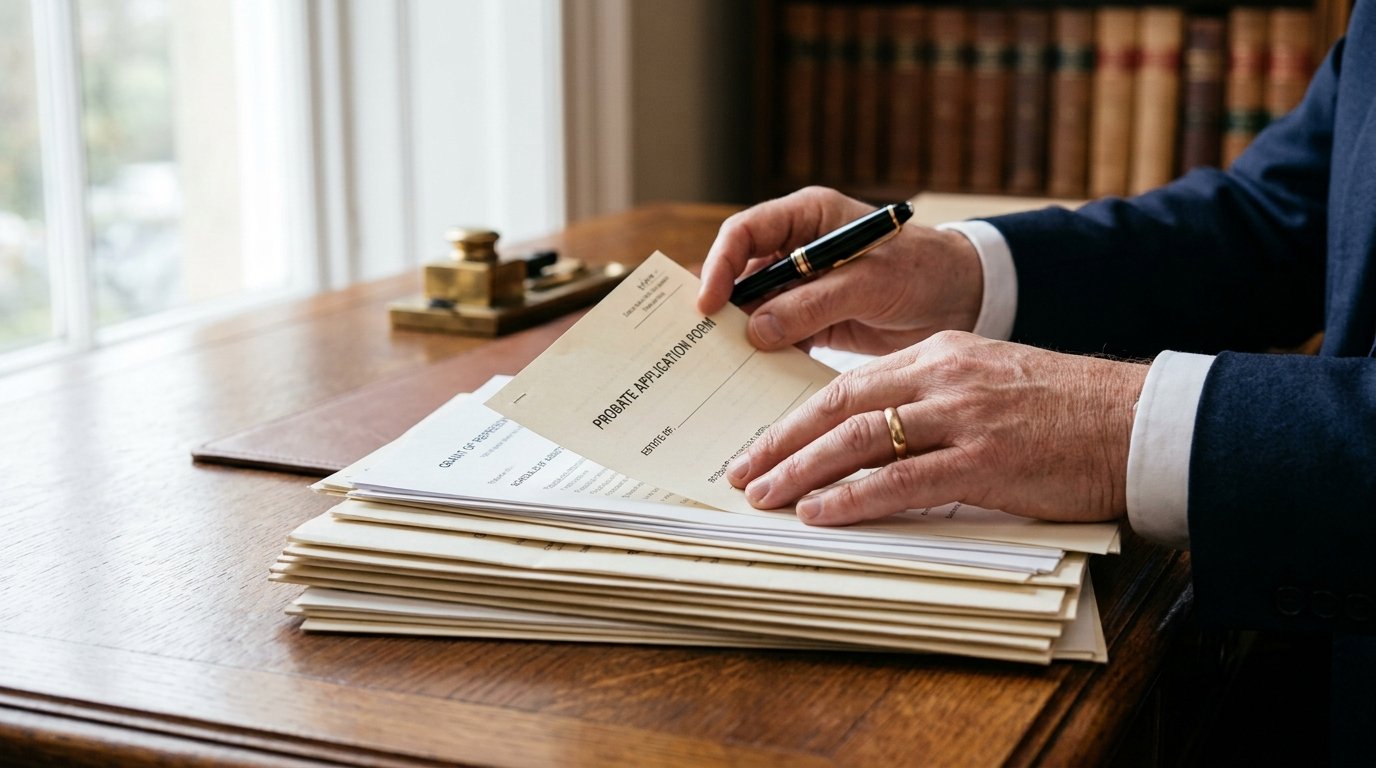
Being named an executor of someone's estate is a significant responsibility, often taken on during an emotionally difficult time. Understanding the probate process step by step can make the role feel far more manageable.
What Is Probate?
Probate is the legal process of administering a deceased person's estate — collecting assets, paying debts and taxes, and distributing what remains to beneficiaries according to the will (or intestacy rules if there's no will).
Step 1: Register the Death & Locate the Will
Before anything else, the death must be registered, and the original will (if one exists) needs to be located, usually held by the deceased, their solicitor, or a will storage service.
Step 2: Value the Estate
The executor must identify and value all assets (property, savings, investments, personal possessions) and liabilities (debts, mortgages, funeral costs) to establish the estate's total value. This valuation is essential for both the probate application and inheritance tax calculations.
Step 3: Report to HMRC & Pay Inheritance Tax (If Applicable)
Depending on the estate's value, an inheritance tax return may need to be submitted to HMRC, and any tax due is generally paid before the Grant of Probate is issued. Current inheritance tax thresholds and available reliefs should be carefully assessed, as this significantly affects the amount payable.
Step 4: Apply for the Grant of Probate
The executor applies to the Probate Registry for a Grant of Probate (or Letters of Administration if there's no will). This document legally confirms the executor's authority to administer the estate.
Step 5: Collect in the Estate's Assets
Once the grant is issued, the executor can access bank accounts, sell or transfer property, cash in investments, and collect any other assets belonging to the estate.
Step 6: Pay Debts & Liabilities
Outstanding debts, funeral expenses, and any remaining taxes must be settled from the estate before distribution to beneficiaries.
Step 7: Prepare Estate Accounts
Clear estate accounts should be prepared, showing all money received and paid out during administration — providing transparency for beneficiaries and protecting the executor from future disputes.
Step 8: Distribute the Estate
Once debts and taxes are settled, the remaining estate is distributed to beneficiaries according to the will's instructions or intestacy rules.
How Long Does Probate Take?
For straightforward, uncontested estates, probate typically takes 6 to 12 months from start to finish, though timing varies depending on estate complexity, property sales, and HMRC processing times.
Common Challenges Executors Face
Locating all assets, particularly for individuals with accounts across multiple institutions
Inheritance tax calculations, which can be complex depending on reliefs and exemptions
Family disputes over asset distribution or interpretation of the will
Personal liability risk — executors can be personally liable for errors in estate administration if not handled correctly
Time pressure while managing their own work and family responsibilities alongside executor duties
Should Executors Use a Probate Solicitor?
While executors can technically handle probate themselves, professional support is strongly advisable for anything beyond the simplest estates — particularly where inheritance tax applies, property needs to be sold, or family relationships are complex. A specialist uncontested probate service can significantly reduce the burden, time, and risk involved.
How We Can Help
Our specialist probate team supports executors through every stage of the process — from the initial application through to final distribution — handling the legal and administrative burden so you can focus on your family during a difficult time.